Rynlusoczainryko
Resilient recovery by design
A tested methodology shields organizations from business-crippling events. Each phase, from discovery through simulation, is anchored in documented workflows, transparent analysis, and Indian regulatory context.
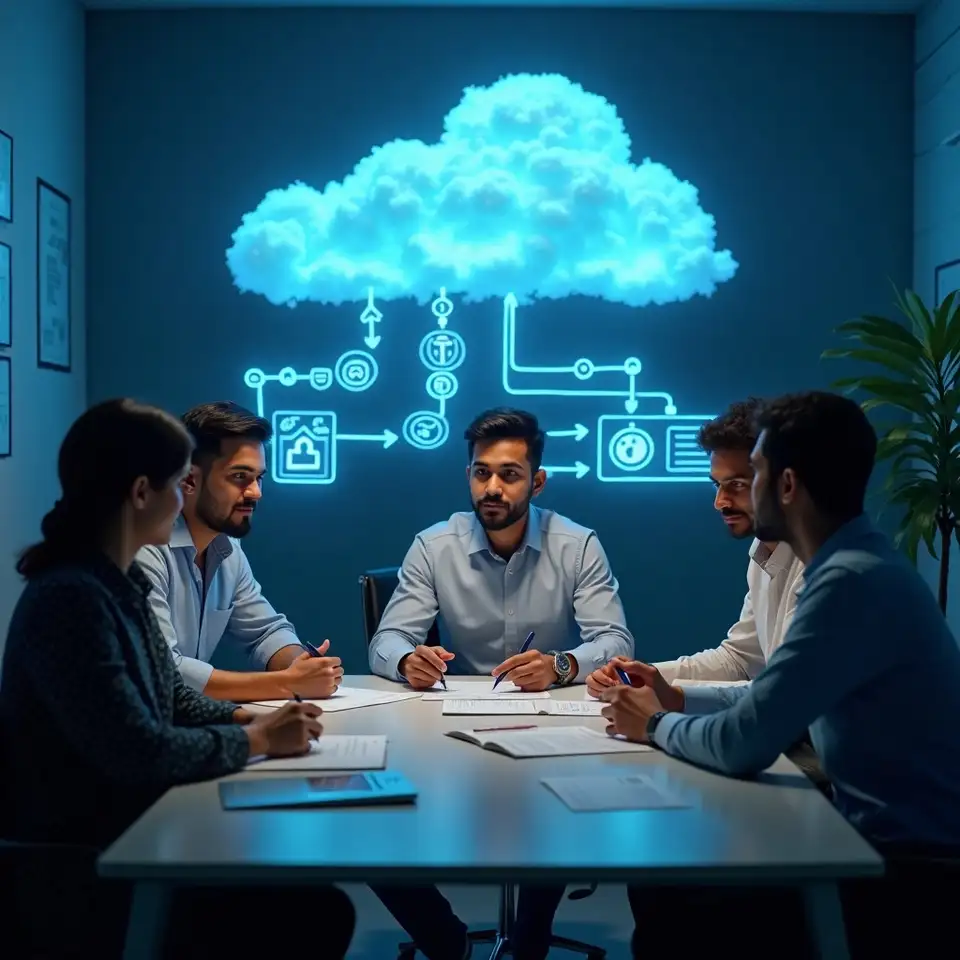
Cloud disaster recovery cannot rely on chance. The process begins with mapping business-critical systems and identifying dependencies that influence the recovery path.
Every project moves through a workflow proven in high-pressure scenarios. Each step builds on the previous, minimizing risk of oversight and ensuring readiness under real conditions.
Business impact analysis comes first, mapping every critical dependency and ranking systems by recovery priority. This ensures the recovery path aligns with operational needs.
Objective risk audits identify vulnerabilities across infrastructure, processes, and compliance. Each finding is documented and used to quantify potential impact.
Strategies are designed and reviewed collaboratively, weighing technology fit, regulatory requirements, and business priorities. Detailed response actions are documented for clarity.
A recurring improvement cycle keeps plans current, adapting documentation and processes after each test or actual incident. This discipline turns recovery from a static document into an evolving practice.
Project kickoff begins with a comprehensive scoping session, aligning stakeholders and collecting operational details. Initial system and process mapping takes place during this stage.
Detailed risk audit and business impact analysis are conducted. Each vulnerability is identified, and potential recovery strategies are outlined in close consultation with client teams.
A draft recovery plan is produced, specifying recovery time objectives, technology selections, and process flows. Stakeholder workshops review assumptions and validate proposed actions.
Simulation and tabletop testing are performed. Team roles are tested, feedback is collected, and plan weaknesses are addressed. Documentation is refined after every drill.
Final plan is delivered with documentation, post-project training, and scheduling for regular reviews. Ongoing support is set for continuous adaptation to regulatory and operational changes.
Plans are developed on the foundation of real case evidence and scenario analysis, ensuring each engagement draws on lessons from past failures and recoveries, not theory alone. Documentation serves as a living record, adapted over time.
Every solution is built by involving client stakeholders at every step, from discovery to final testing. Input is gathered through workshops and interviews, giving voice to on-the-ground realities and business priorities.
Continuous review cycles are embedded in the methodology. After every event or test, results are evaluated, weak points addressed, and the plan is improved for future threats.